March 27, 2026
Selecting the right roofing material is crucial for the longevity, performance, and appearance of a home. Residential roofing companies work with a variety of materials, each offering unique benefits, aesthetic appeal, and durability. Choosing the right material can significantly impact maintenance requirements, energy efficiency, and overall home value. The material choice also influences a home's insulation properties, curb appeal, and resale potential, making it a key factor in long-term planning. Homeowners must consider local climate, architectural style, and personal preferences to ensure the chosen roof provides both functional protection and visual harmony. This article explores the most commonly used materials in residential roofing and highlights key considerations for homeowners seeking professional guidance throughout the process, helping them make informed decisions that align with both immediate needs and long-term goals.
1. Asphalt Shingles
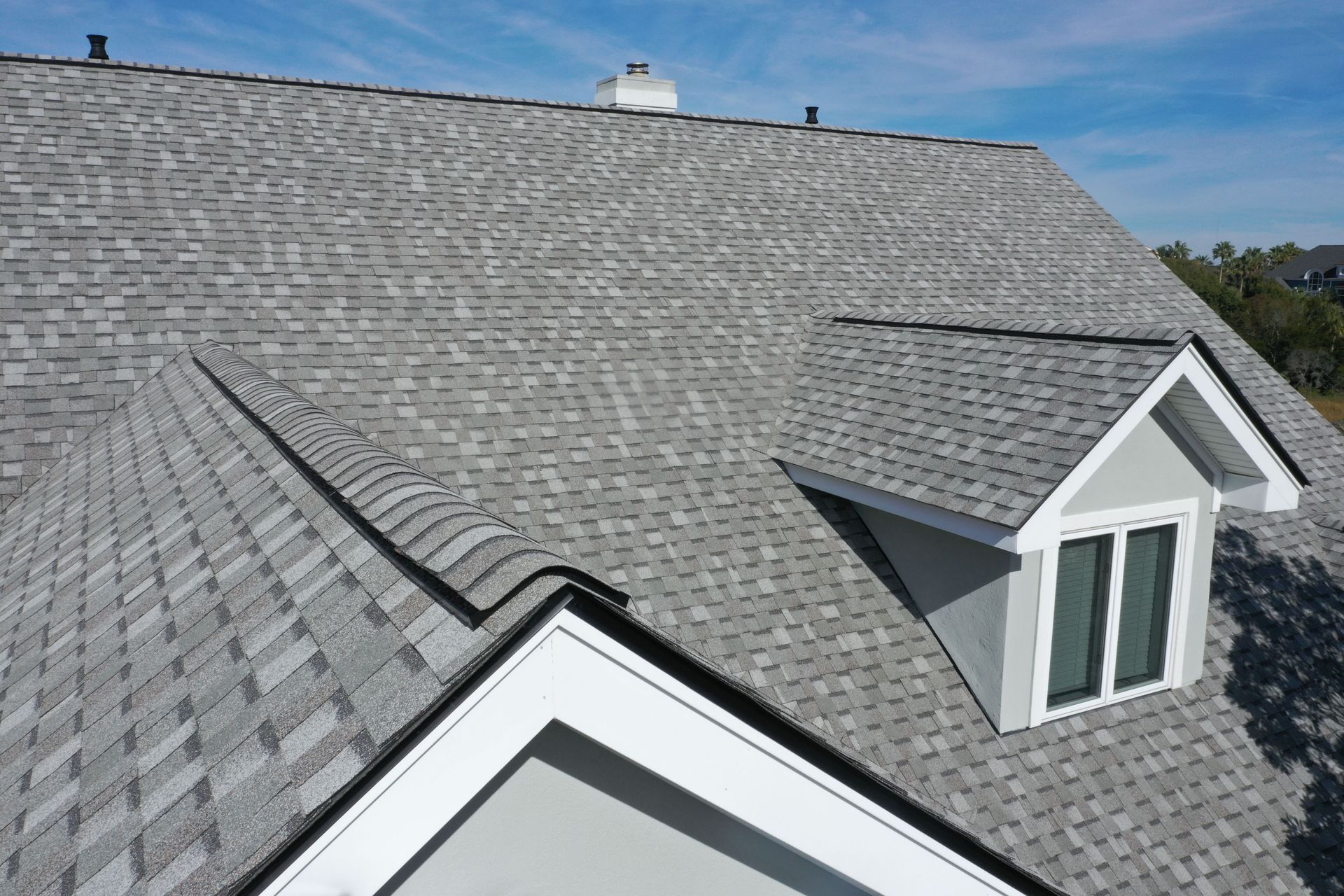
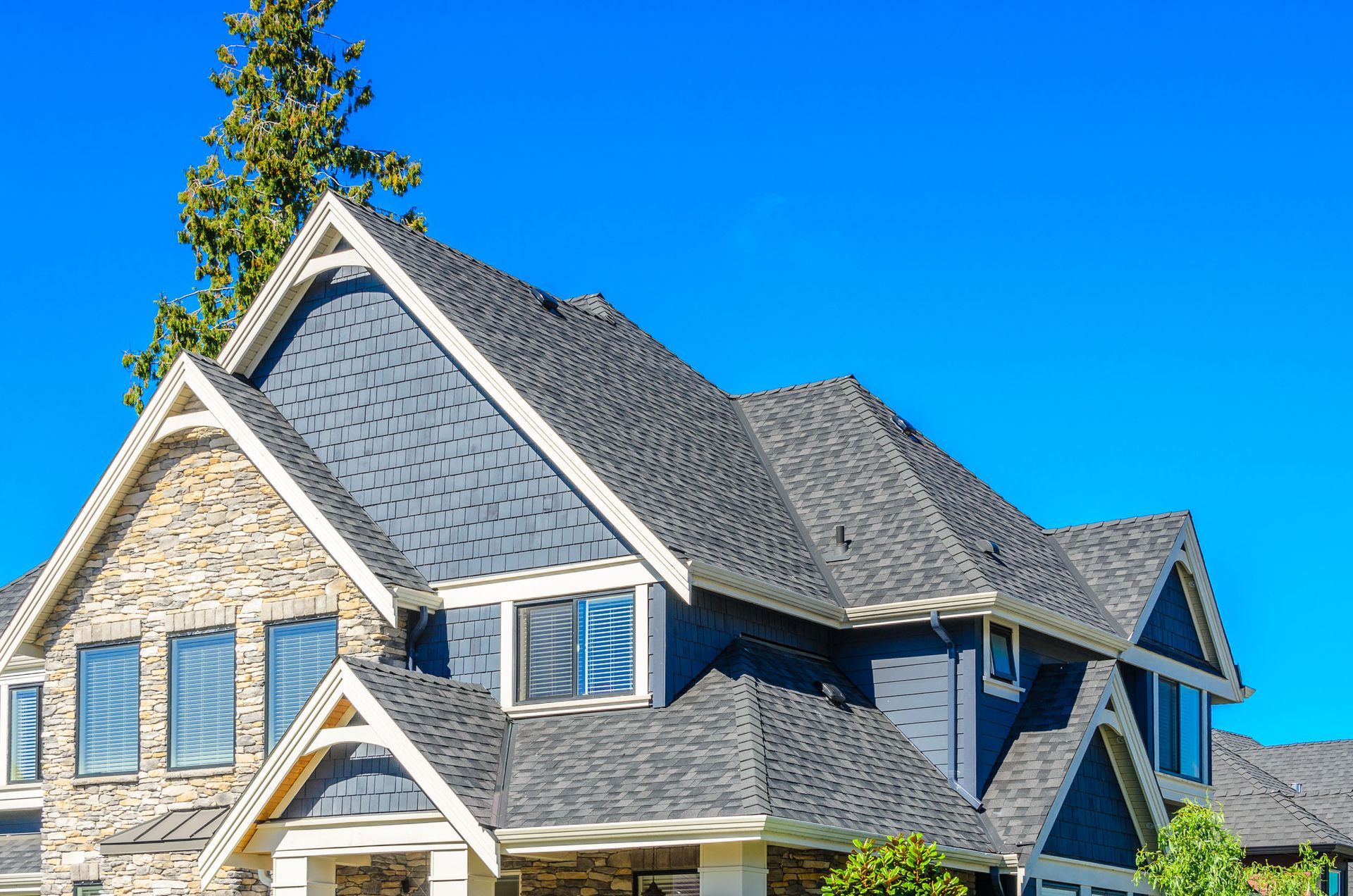
Asphalt shingle roofing is favored for its affordability, ease of installation, and wide range of colors and styles. Asphalt shingles can mimic the look of more expensive materials such as slate or wood, making them a versatile option for many home designs. Homeowners appreciate the combination of practicality and visual variety, making shingles a reliable choice for both traditional and modern homes. The variety of textures and finishes also allows for creative expression, enabling homeowners to achieve a distinctive look without exceeding budget constraints.
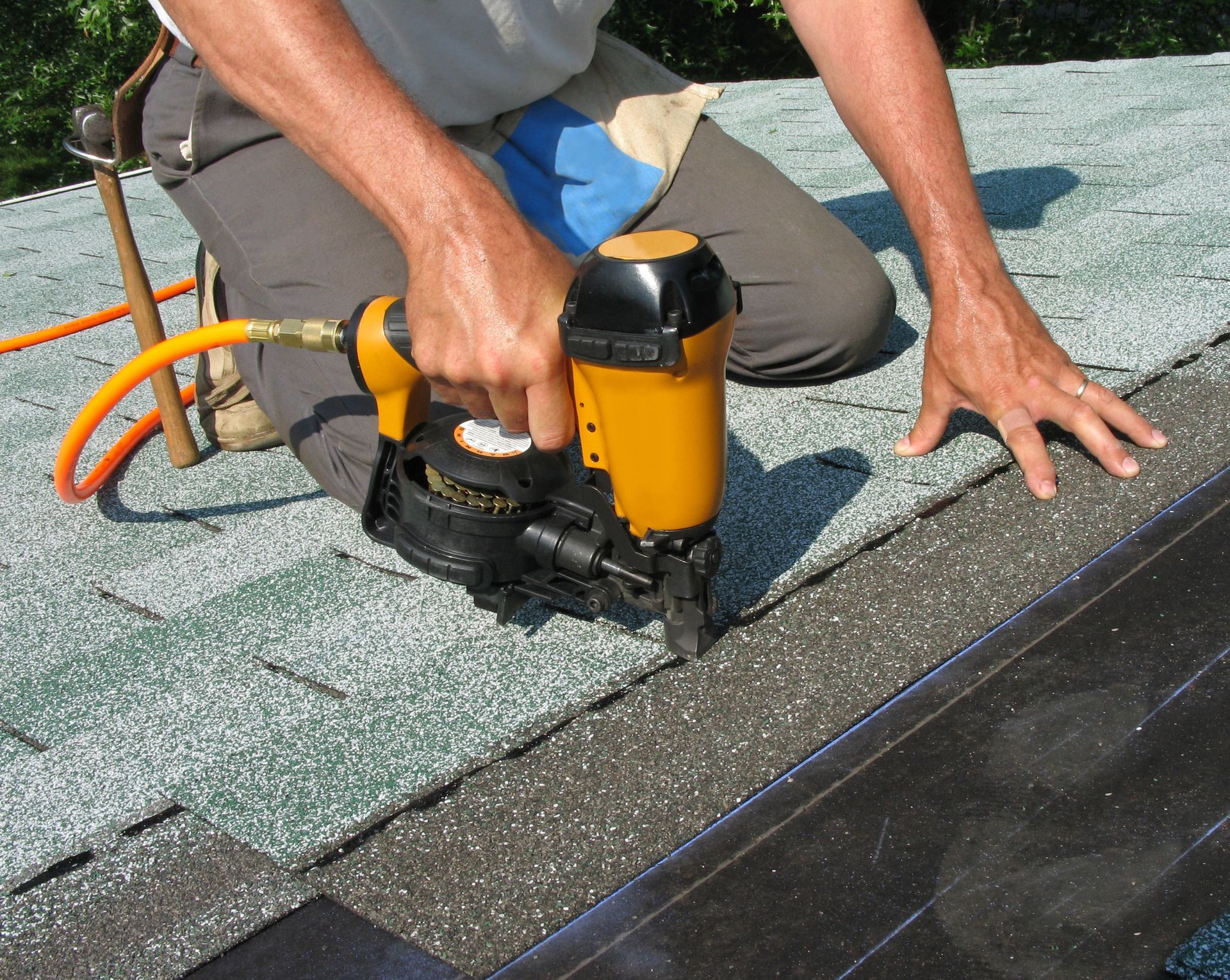
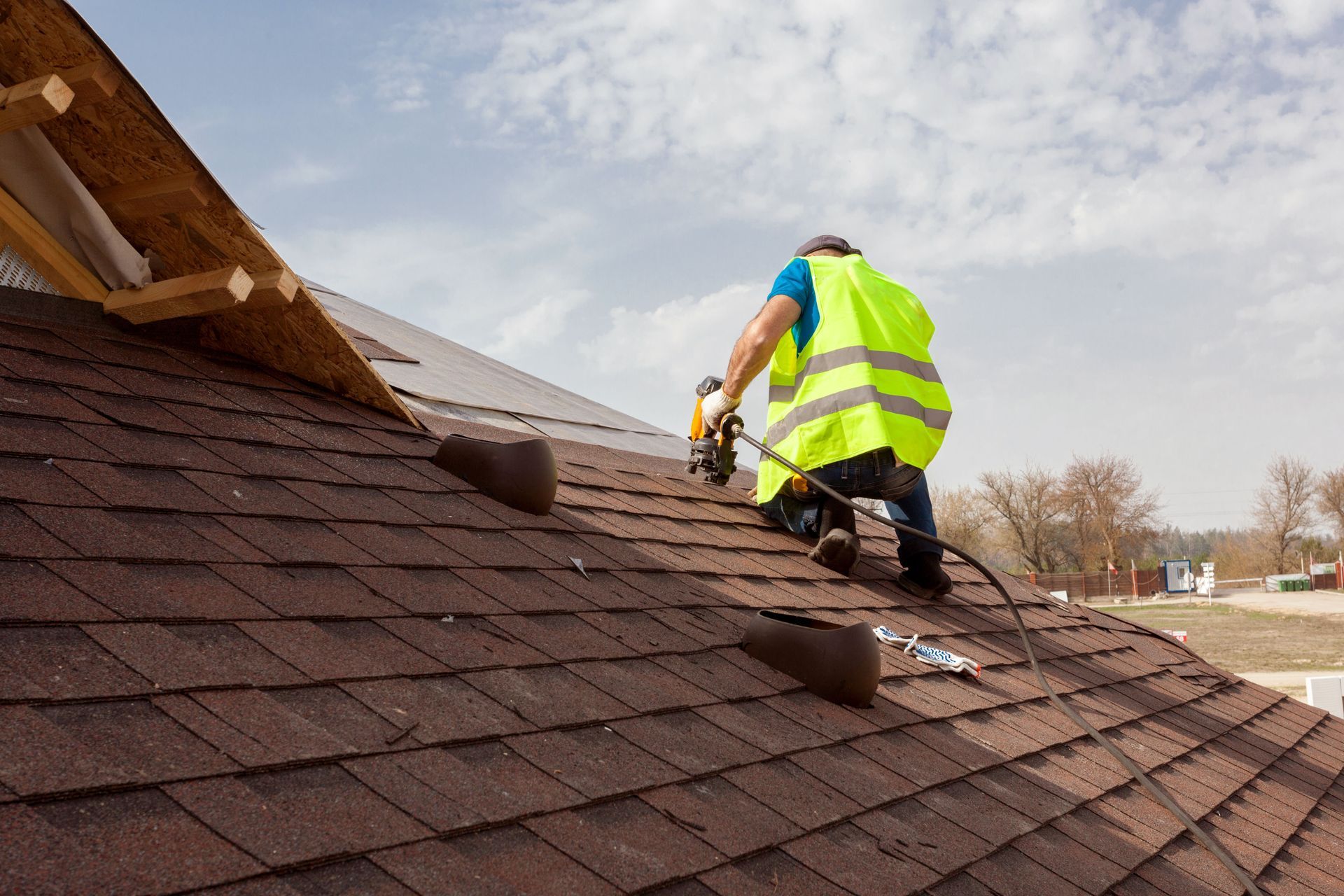
Residential roofing companies recommend asphalt shingles for their balance of performance and cost. They provide good protection against wind and rain, and newer laminated versions offer improved durability and aesthetic depth. Proper installation by a professional allows shingles to lie flat, align correctly, and resist premature wear, reducing the need for frequent repairs or replacements. Shingles also accommodate a wide range of roof shapes and slopes, providing flexibility for diverse architectural designs. With correct ventilation and underlayment, asphalt shingles can also help regulate indoor temperatures, contributing to energy efficiency and long-term savings on utility bills.
2. Metal Roofing
Metal roofs have gained popularity due to their longevity and energy efficiency. Metals like steel, aluminum, and copper are durable, resistant to extreme weather, and capable of reflecting heat, which can reduce cooling costs. Residential roofing companies often use interlocking panels or standing seam designs that enhance both strength and visual appeal. In addition, metal roofs are available in various coatings and colors, offering options that complement different home exteriors. The reflective qualities of metal can also help prevent ice dams in colder climates, reducing seasonal maintenance concerns.
Metal roofs are also lightweight compared to traditional shingles, placing less stress on a home's structure. Professional installation is crucial because improper handling can lead to denting, water infiltration, and compromised performance. Metal roofs are particularly effective in areas prone to snow or heavy rain, as their smooth surfaces shed water efficiently and reduce the risk of leaks. Many homeowners also appreciate that metal roofs are highly recyclable and environmentally friendly, making them a sustainable long-term choice.
3. Clay and Concrete Tiles
Clay and concrete tiles are often chosen for their distinctive look and impressive lifespan. According to Family Handyman, hardened clay tile shingles can last up to 50 years. These tiles are naturally fire-resistant and perform well in hot climates. Concrete tiles offer similar durability and can be manufactured to mimic the appearance of wood or slate. Both materials add a striking architectural element, giving homes a Mediterranean, Spanish, or contemporary style that can increase property value. Beyond aesthetics, these tiles provide excellent thermal mass, helping homes remain cooler in the summer and reducing energy demands.
Residential roofing companies install these tiles carefully because of their weight and fragility. Supporting structures may need reinforcement to handle the load, and proper placement is essential to prevent cracking or water penetration. Professional guidance ensures that the tiles are properly aligned, interlocked, and sealed to maximize lifespan. Homeowners also benefit from the energy efficiency of these materials, as they can help regulate indoor temperatures in extreme climates. Regular inspections and maintenance can extend their already long lifespan and maintain the roof's premium appearance over decades.
4. Slate Tiles
Slate is a high-end material that offers unmatched beauty and durability. Each slate tile is a natural stone, resistant to fire, rot, and insects. Residential roofing companies often recommend slate for its longer lifespan. Its timeless appearance provides a sophisticated, upscale look that complements historic and luxury homes. Slate roofs also naturally resist harsh weathering, maintaining their elegant finish for generations when installed correctly.
Installation requires careful handling due to the weight and brittleness of slate tiles. Professionals provide the precision needed for consistent alignment and secure fastening. Homes with slate roofs benefit from minimal maintenance and an elegant appearance that can enhance property value over decades. Slate also performs exceptionally well in harsh weather conditions, resisting wind, rain, and temperature fluctuations that can compromise other materials. Its durability makes it an investment that pays off over time, especially for homeowners seeking a classic, long-lasting roofing solution.
5. Synthetic Roofing Materials
Synthetic roofing materials, such as rubber, plastic, or polymer composites, offer homeowners an alternative that combines aesthetics with lighter weight and lower cost. They are designed to replicate natural materials like slate, wood, or clay while providing improved durability and weather resistance. Synthetic options are particularly attractive for homeowners who want the look of premium materials without the structural requirements or weight concerns. These materials can also be engineered for fire resistance and impact protection, adding to their functional benefits.
Residential roofing companies use synthetic shingles or panels for their ease of installation and flexibility in design. Professional installation allows seams to be sealed correctly and underlayment to be applied properly, reducing the risk of leaks. They are also resistant to fading and cracking, maintaining their appearance for decades with minimal upkeep. Synthetic materials can adapt to unusual roof shapes, giving architects and homeowners more freedom in design without compromising performance.
6. Wood Shingles and Shakes
Wood shingles and shakes create a rustic, natural look for residential roofing projects. Cedar is the most common choice due to its resistance to decay and insects. While visually striking, wood requires more careful installation and periodic maintenance to preserve its appearance and longevity. The natural texture and color variations in wood provide a unique character that is difficult to replicate with synthetic alternatives. Over time, wood develops a weathered patina that adds charm and a distinctive aesthetic.
Residential roofing companies install wood shingles with proper spacing and ventilation to prevent moisture buildup and warping. Professional handling minimizes the risk of splitting and ensures a uniform, secure roof surface. Regular maintenance, including treatment for mold and rot, helps preserve both the aesthetic and structural integrity of the roof. Homeowners also benefit from the natural insulating properties of wood, which can moderate indoor temperatures and improve comfort throughout the year.
7. Modified Bitumen and Membrane Systems
Flat and low-slope roofs require materials that provide a continuous barrier against water infiltration. Modified bitumen and membrane systems, such as EPDM or TPO, are widely used by residential roofing companies for these applications. These materials are durable, flexible, and resistant to UV damage. They are particularly suited for modern architectural designs that emphasize wide, flat rooflines. Many systems can also accommodate rooftop gardens or solar panel installations, adding functional versatility to the property.
Professional installation involves careful surface preparation, proper adhesion, and sealing of seams. These processes prevent leaks and extend the roof's life. Using the right techniques also reduces the likelihood of pooling water or premature wear. Flat roofs installed correctly can provide long-term performance and support additional features such as rooftop decks or solar panels. With routine inspections and maintenance, these systems can remain effective for decades, offering peace of mind for homeowners.
Choosing the right material is a critical decision for any roofing project. Residential roofing companies bring the knowledge, tools, and experience needed to select, install, and maintain a roof that balances durability, aesthetics, and budget. Professional guidance can help homeowners navigate factors like climate, roof pitch, and architectural style to achieve optimal results. By working with an experienced team, homeowners can secure a roofing solution that lasts decades and performs reliably under various conditions. Expert consultation also ensures that warranties are properly managed and that installation meets all manufacturer specifications. For assistance with material selection and installation, contact Raintight Roofing Inc today and connect with one of Central Arkansas' most reliable residential roofing companies!