November 12, 2026
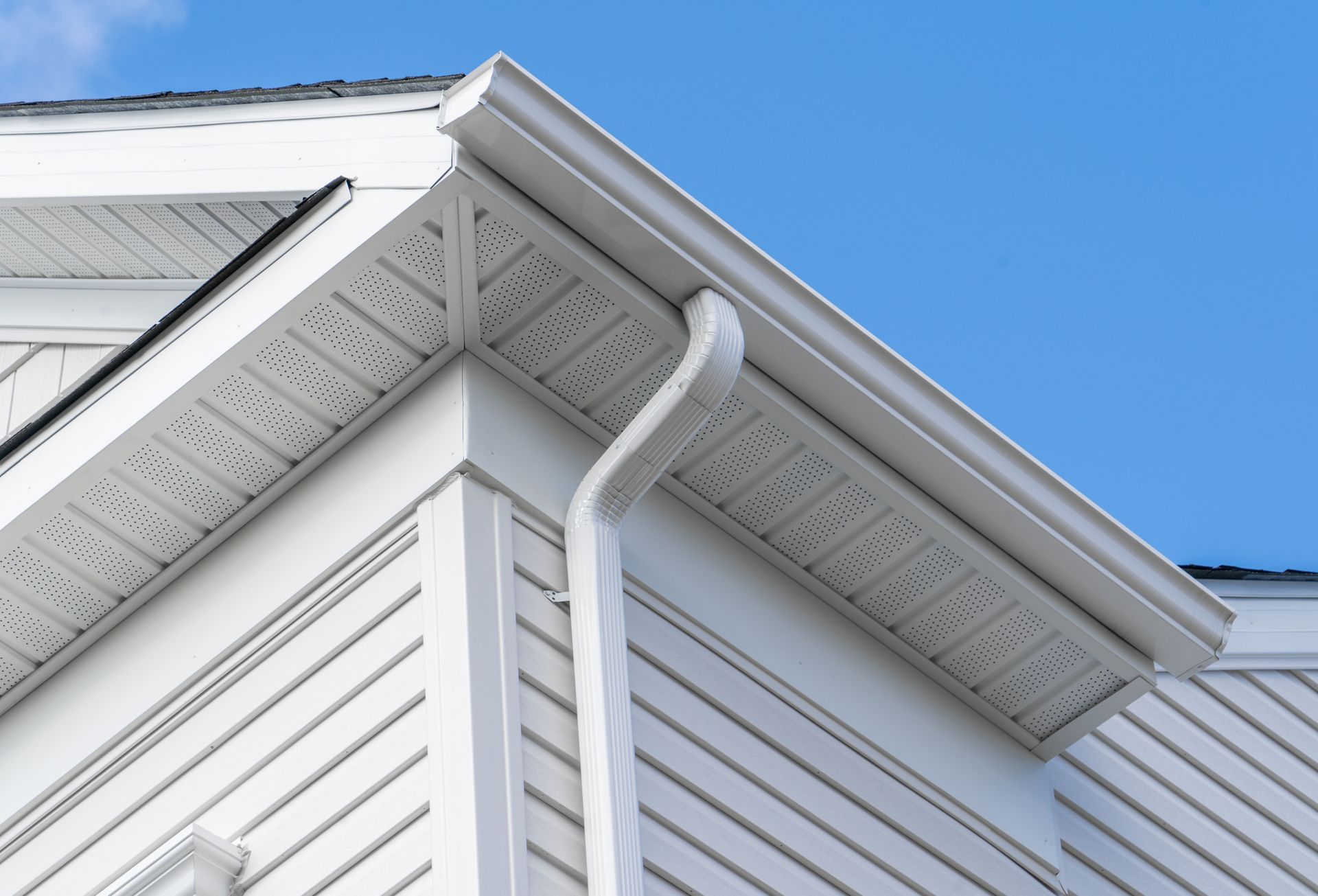
Gutters play an important role in protecting a home from rainwater by directing runoff away from the roof, walls, foundation, and surrounding landscape. When gutters become damaged, clogged, or improperly positioned, water can overflow and create problems that become expensive to repair. New gutter systems can improve drainage, reduce moisture exposure, and help homeowners maintain their property's condition. Professional gutter installations can also address issues caused by outdated materials, poor slopes, and inadequate drainage capacity. Choosing the right system involves considering the roof design, local weather conditions, and the amount of rainfall the property receives. Homeowners should also evaluate how well their existing gutters perform during heavy storms. According to HomeGuide, copper or zinc gutters can last more than 50 years, making these materials potential long-term options for homeowners seeking durability. Understanding how gutters protect a home can help property owners make informed decisions about repairs, replacements, and routine maintenance.
Directing Rainwater Away From the Foundation
A home's foundation can experience damage when rainwater repeatedly collects around its base. Gutters capture runoff from the roof and carry it toward designated drainage areas, helping prevent water from pooling near foundation walls. Without effective drainage, excess moisture can contribute to soil erosion, foundation cracks, and water intrusion in basements or crawl spaces. Properly planned gutter installations help move rainwater away from vulnerable areas before these problems develop. Downspouts should discharge water far enough from the foundation to prevent runoff from flowing back toward the building. Homeowners may also need extensions or drainage pipes if the ground slopes toward the house. Regularly checking the system after storms can reveal pooling water, loose connections, or other drainage concerns. By controlling roof runoff, a reliable gutter system helps preserve the stability of the home's foundation over time.
Preventing Roof and Fascia Damage
Gutters help protect the edges of a roof by collecting rainwater before it can accumulate along the roofline. When gutters are missing, damaged, or overflowing, water may repeatedly contact fascia boards, soffits, and other exposed components. Continued moisture exposure can contribute to wood rot, peeling paint, and deterioration around the roof's edges. New gutter installations can improve water collection and reduce the likelihood of runoff damaging these materials. Proper positioning is important because gutters that sit too low or have an incorrect slope may fail to capture water effectively. Homeowners should also check for sagging sections and separated joints that allow water to escape. Keeping gutters clear of leaves and other debris helps maintain consistent drainage during periods of heavy rainfall. A functional system supports the roof's overall performance and helps limit avoidable repairs.
Reducing Exterior Wall Moisture
Rainwater that spills over clogged or poorly functioning gutters can run down a home's exterior walls. Repeated exposure may leave stains, damage paint, weaken certain siding materials, and allow moisture to enter vulnerable seams. These issues can become more noticeable when storms bring substantial rainfall or strong winds. Well-designed gutter installations direct runoff into downspouts instead of allowing it to cascade along the siding. This protection is particularly important around windows, doors, and other openings where water may find its way indoors. Homeowners should inspect exterior walls for discoloration, bubbling paint, and signs of persistent dampness. Such symptoms may indicate drainage problems that require attention before additional damage occurs. Keeping water away from exterior surfaces helps preserve the home's appearance while reducing the risk of moisture-related deterioration.
Limiting Soil Erosion Around the Property
Rainwater falling directly from roof edges can strike the ground with enough force to displace soil and damage landscaping. Over time, this runoff may wash away mulch, expose plant roots, and create channels across garden beds. Water can also collect in low areas, leaving parts of the yard muddy or difficult to maintain. Effective gutters gather roof runoff and release it through downspouts at more controlled locations. Homeowners considering gutter installations should evaluate where water will discharge and whether the surrounding ground can handle the flow. Splash blocks, extensions, and suitable drainage solutions can help reduce erosion near downspouts. Maintaining appropriate ground grading can further encourage water to move away from the home. These measures help protect landscaping while supporting better drainage around the property.
Choosing Durable Gutter Materials
Gutter materials influence durability, maintenance needs, appearance, and long-term costs. Aluminum is a common option because it is relatively lightweight and available in various colors, while steel offers strength but may require attention to corrosion. Copper and zinc provide distinctive finishes and can offer long service lives when properly installed and maintained. Homeowners comparing gutter installations should consider the roof's size, local weather, budget, and the property's architectural style. Material compatibility also matters because certain metals can react when placed in direct contact with dissimilar materials. Seamless gutters may reduce the number of joints where leaks can develop, depending on the system's design and installation quality. Professional guidance can help identify a practical option that balances performance with appearance. Selecting suitable materials at the beginning can reduce premature replacement and improve the value of the investment.
Improving Drainage During Heavy Rainfall
A gutter system must be sized and configured to handle the amount of rainwater flowing off a roof. Undersized gutters or insufficient downspouts may struggle during intense storms, allowing water to spill over the edges. Roof pitch, roof area, and local rainfall patterns all influence how much drainage capacity a home requires. Proper gutter installations account for these factors to help move water away efficiently. Correct slope is equally important because water may remain in sections that do not drain toward the downspouts. Standing water can encourage debris buildup and place unnecessary weight on the gutter system. Homeowners should monitor performance during rainfall and arrange an inspection if water consistently overflows or pools. Addressing drainage limitations helps reduce the risk of water damage when severe weather arrives.
Supporting Routine Maintenance and Inspection
Even a newly installed gutter system needs regular maintenance to perform as intended. Leaves, twigs, roof granules, and other debris can accumulate inside channels and block the flow of rainwater. Clogged downspouts may cause water to back up, overflow, and collect near the foundation or exterior walls. Periodic gutter installations inspections and routine cleaning help identify developing problems before they become more serious. Homeowners should look for loose fasteners, separated seams, rust, and sections that appear to sag. Gutter guards may reduce the amount of debris entering the system, although they do not eliminate the need for inspection. Trees near the roof may require more frequent cleaning because branches and leaves can collect quickly. Consistent maintenance helps extend the system's service life and supports dependable drainage throughout the year.
Protecting Your Home With Professional Installation
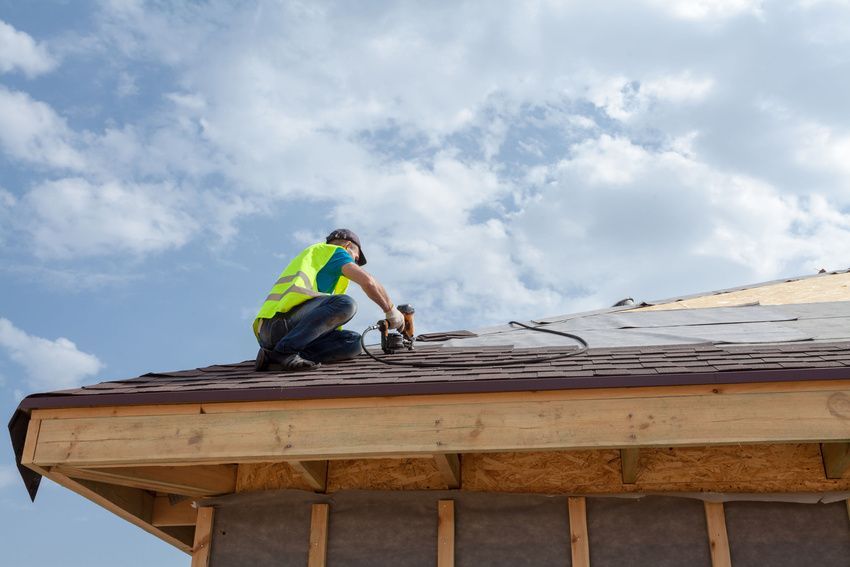
Choosing a gutter system involves more than selecting a material and attaching channels to the roofline. Measurements, placement, slope, fastening methods, and downspout locations all influence how effectively the system manages runoff. Poor installation can lead to leaks, overflow, and drainage problems even when the materials are durable. Experienced professionals can assess a home's roofline and identify areas where water may threaten the foundation, siding, or landscaping. They can also recommend gutter installations suited to the property's design and local rainfall conditions. Homeowners should address visible leaks, recurring overflow, and damaged sections rather than waiting for water damage to become extensive. A properly fitted system, combined with regular cleaning and inspections, provides a practical layer of protection against moisture-related issues. Taking action before the next major storm can help homeowners protect their investment and avoid preventable repairs.
Raintight Roofing Inc can help homeowners evaluate their gutter needs and determine an appropriate solution for their property. Whether an existing system shows signs of wear or a home needs improved rainwater management, professional guidance can help identify the right next step. Contact us to discuss gutter options and protect your home from water damage.