May 8, 2026
Determining the exact moment to transition from minor maintenance to a full-scale replacement is a vital responsibility for every homeowner. A roof serves as the primary shield against the unpredictable elements, protecting the structural framework and everyone residing within the house. Neglecting the subtle indicators of wear can lead to catastrophic failures during severe weather, resulting in irreversible damage to the interior of the property. Engaging a professional roofer for periodic evaluations ensures that the transition happens before an emergency occurs, maintaining the seamless safety of your living environment.
Modern materials offer impressive durability, yet they eventually succumb to the relentless cycle of seasons. Understanding the specific signals of decay allows for proactive management rather than reactive panic when a leak finally breaks through the ceiling. By remaining observant and educated on the requirements of your specific roofing system, you preserve the long-term health of your home without the stress of unexpected structural collapses.
Identify Visible Signs of Physical Deterioration
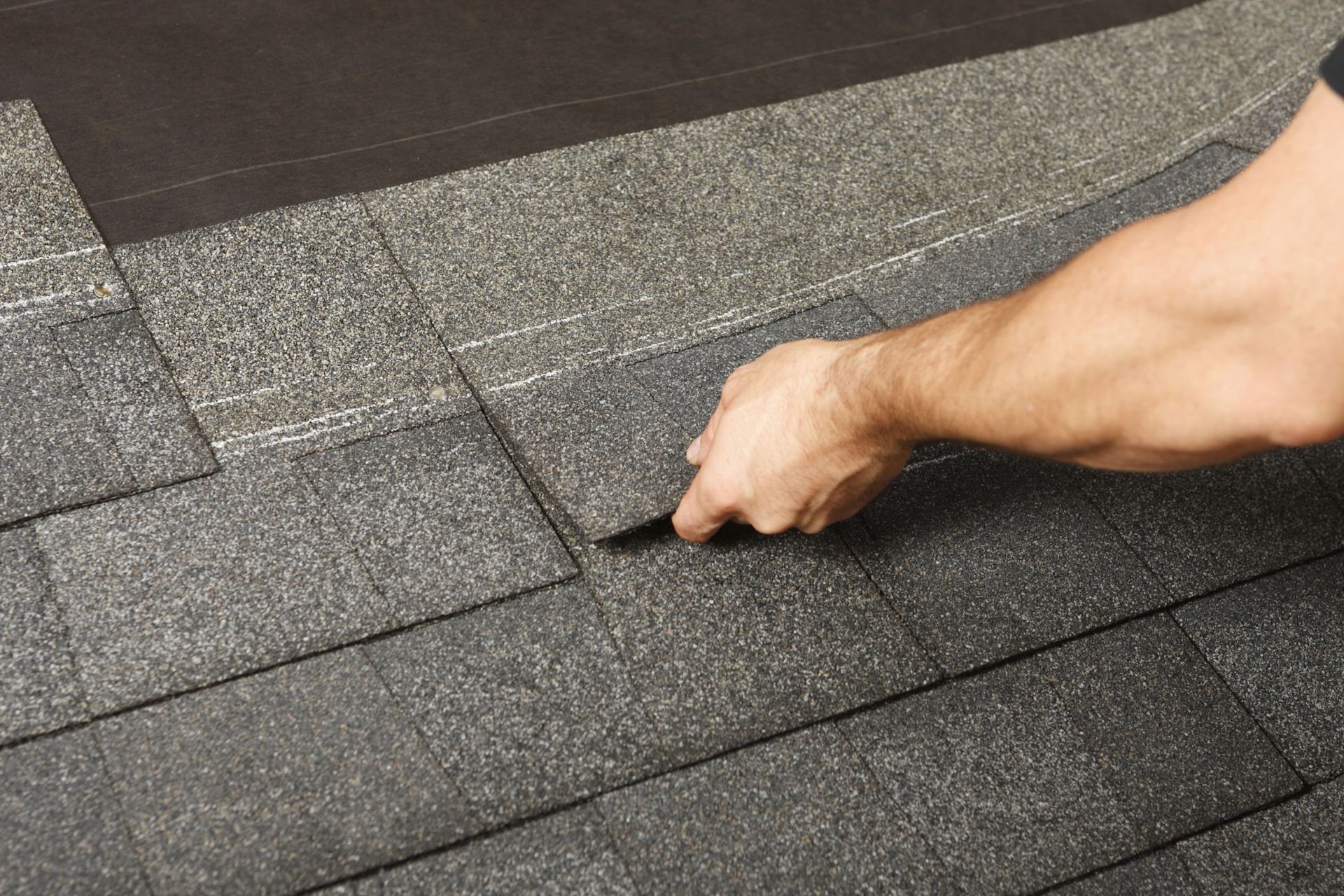
Curling or buckling shingles represent some of the most frequent visual cues that a protective layer has reached its operational limits. This physical transformation occurs when the internal components of the shingle dry out or when excessive heat builds up in the attic space below the deck. As the edges lift away from the surface, they lose their ability to shed water effectively, creating small reservoirs that invite moisture into the wooden substrate. High winds find these raised edges easily, stripping away the material and leaving the home vulnerable to the next storm.
Missing shingles create immediate gaps in the armor of a house, leaving the underlayment and decking exposed to direct sunlight and precipitation. A qualified roofer often identifies these missing pieces as a symptom of failing adhesive or significant wind uplift during a recent storm event. Each empty space acts as a portal for moisture to seep into the insulation, which eventually destroys the thermal efficiency of the entire building. While a single missing shingle might seem insignificant, it often points to a broader trend of material fatigue that cannot be ignored.
Granules serve as the sacrificial layer of a shingle, reflecting solar radiation and providing a barrier against physical impact from hail or debris. Finding these small, stony particles accumulating in the gutters indicates that the asphalt beneath is losing its primary defense mechanism. Heavy rain washes these detached pieces into the drainage system, where they can cause clogs and further complications for the foundation. Once the shingles become smooth, they crack and blister rapidly under the heat of the afternoon sun, losing their structural integrity.
Water stains on interior ceilings or walls function as a final warning that the exterior barrier has been successfully breached by the elements. These yellowish or brown discolorations often appear far from the actual entry point, as water travels along rafters and beams before soaking into the drywall. A skilled roofer uses these stains to trace the path of destruction back to faulty flashing, damaged vents, or failed valleys. Addressing the root cause immediately is the only way to halt the steady progression of rot and decay within the home.
Seeing rays of sunlight penetrating through the roof boards while standing in the attic is an unmistakable sign of critical structural failure. This level of damage suggests that the shingles, underlayment, and wooden decking have all suffered significant degradation or physical displacement. Pests such as squirrels or insects utilize these openings to establish nests, further damaging the electrical wiring and insulation of the property. Small holes often grow into large breaches during heavy snowfall, leading to an immediate emergency for the residents.
Evaluate Lifespan and Historical Performance Records
The expected longevity of a roof depends heavily on the initial selection of materials and the skill of the roofer who performed the original installation. Traditional asphalt shingles are designed to function for several decades, while metal and tile options provide significantly longer service lives. Every material possesses a unique breaking point where the chemical bonds within the substance begin to fail due to age. Knowing the approximate date of the last installation allows a homeowner to predict when the system will likely enter its high-risk phase.
Maintaining a detailed archive of home improvement records provides an invaluable roadmap for assessing the current condition of the exterior. These documents should include the date of installation, the specific brand of materials used, and any warranty information provided by the contractor. Referencing these files helps determine if a current problem is an isolated incident or a recurring failure of the original system. Detailed records assist in identifying whether the previous work was performed to current local building codes or if upgrades are necessary.
Climate influences the speed at which a roofing system deteriorates, as different geographic regions place unique stresses on the materials. Areas characterized by rapid temperature swings force shingles to expand and contract repeatedly, which leads to premature cracking and brittleness. High-humidity environments encourage the growth of algae and moss, which trap moisture against the surface and rot the wooden structure from the outside in. Even the most durable materials face a constant battle against the specific weather patterns of their local environment.
Recognizing the signs that a system has reached the end of its natural life is a common experience for millions of homeowners across the country. According to RubyHome, roughly five million roofs undergo installation on an annual basis, reflecting the constant cycle of renewal required to protect the nation’s housing stock. When a roofer identifies that multiple components are failing simultaneously, the transition to a new system becomes the most logical path forward. This proactive replacement prevents the structural beams from warping under the weight of saturated insulation.
Monitor Weather Impacts and Environmental Stressors
Sun exposure acts as a slow but relentless force that degrades the chemical composition of even the highest-quality roofing products. Ultraviolet radiation breaks down the asphalt in shingles, causing them to become thin, brittle, and prone to shattering during a storm. South-facing slopes often show signs of distress much sooner than the rest of the house because they absorb the brunt of the afternoon heat. This thermal stress causes the shingles to lose their flexibility, preventing them from sealing properly against the deck.
Wind and storm damage often occur in a single violent moment, necessitating a prompt inspection by an experienced roofer to find hidden points of entry. High-velocity winds create a vacuum effect that lifts shingles, breaking the seal and allowing rain to be driven underneath the protective layer. Even if the shingles appear to have settled back into place, the internal bond is often permanently broken, leaving the home vulnerable to the next passing front. A thorough post-storm evaluation is the only way to ensure that the integrity of the barrier remains intact.
Moisture retention and subsequent mold growth represent a dual threat to the physical structure of the home and the health of its inhabitants. When water remains trapped between the shingles or within the attic space, it begins to rot the wooden rafters and plywood decking. Mold spores then travel through the ventilation system, creating a hazardous environment for anyone with respiratory sensitivities. Preventing moisture accumulation through proper drainage and high-quality underlayment is essential for maintaining a healthy and stable living environment for the long term.
If you are ready for a thorough assessment of your home’s exterior, contact us at Raintight Roofing Inc today. We will help you secure the safety and longevity of your property with the help of a professional roofer.