November 13, 2026
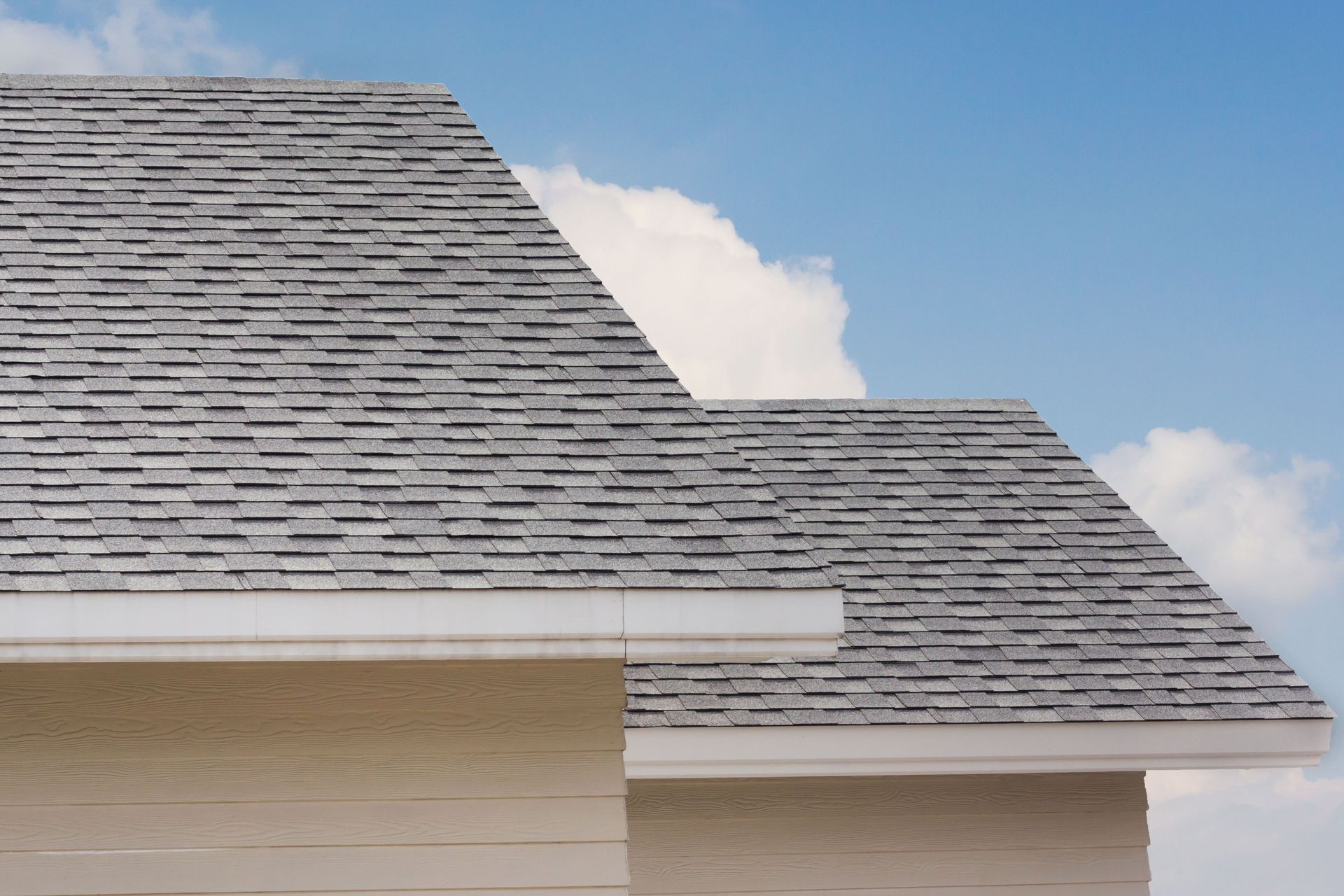
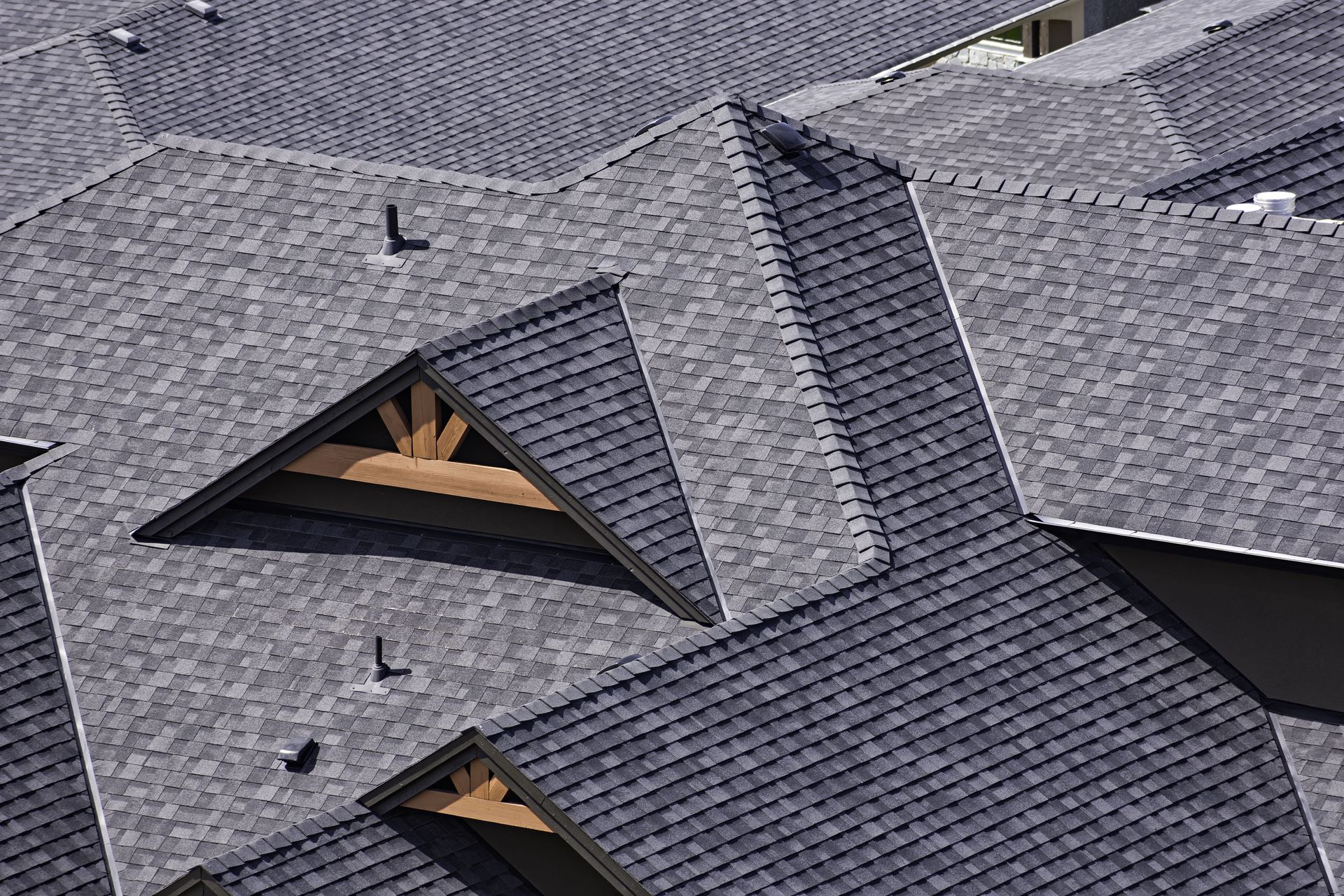
Every roofing material has different maintenance requirements. Asphalt shingles can experience granule loss and curling, while metal roofs may develop rust or loose fasteners. Tile roofs can crack under severe weather, and flat roofs require careful attention to drainage and standing water. Professional inspections account for these differences and evaluate the condition of the entire roofing system.
Evaluating Essential Roofing Components
A thorough inspection includes shingles, flashing, gutters, ventilation, insulation, and drainage components. Flashing around chimneys, skylights, and vents deserves particular attention because damaged seals can allow moisture to enter the home. Inspectors also examine attic spaces for water stains, condensation, and signs of inadequate ventilation.
Scheduling Inspections Throughout the Year
The timing of an inspection matters because each season creates different roofing concerns. Winter inspections focus on ice damage and insulation, while spring evaluations identify problems left behind by freezing temperatures. Summer inspections address heat exposure and deteriorating sealants, and fall inspections prepare the roof for colder weather. Scheduling regular evaluations with roofing companies helps homeowners stay ahead of seasonal damage.
Preventing Unexpected Roofing Emergencies
According to This Old House's 2026 roofing survey, nearly 57% of homeowners described their roof replacement as urgent or an emergency, while only 7% described it as preventative. This highlights the importance of identifying roofing concerns before they become emergencies. Routine professional inspections can help property owners recognize warning signs and plan necessary maintenance.
Identifying Winter Ice Dams and Snow Damage
Winter weather can place significant stress on roofing materials. Snow accumulation, freezing temperatures, and ice dams can contribute to leaks and structural concerns. Ice dams develop when melting snow refreezes near roof edges, potentially forcing water beneath shingles and into the home.
Evaluating Winter Ventilation and Insulation
Professional inspections also evaluate attic ventilation and insulation. Poor ventilation can allow warm air to accumulate in the attic, contributing to condensation and uneven roof temperatures. These conditions may increase the likelihood of moisture damage, mold growth, and ice formation.
Examining Winter Seals and Flashing
Flashings and seals are especially important during winter because freezing conditions can worsen existing weaknesses. Inspectors examine vulnerable areas around vents, chimneys, and roof joints for deterioration or separation. Addressing these concerns early helps prevent water intrusion during winter storms.
Inspecting Roofs After Winter Storms
After severe weather, roofing companies can assess whether wind, snow, or ice has displaced shingles or damaged protective components. Inspections may also uncover less obvious problems, including moisture inside attic spaces and water stains on ceilings. Documenting damage can help homeowners understand repair needs and provide useful information when filing insurance claims.
Assessing Shingles for Winter Damage
Spring inspections help determine how well a roof survived the winter months. Freezing temperatures and repeated freeze-thaw cycles can cause shingles to crack, curl, or lose protective granules. Inspectors also examine flashing, seals, and roof valleys for damage that could allow spring rainfall to enter the home.
Evaluating Gutters and Drainage Systems
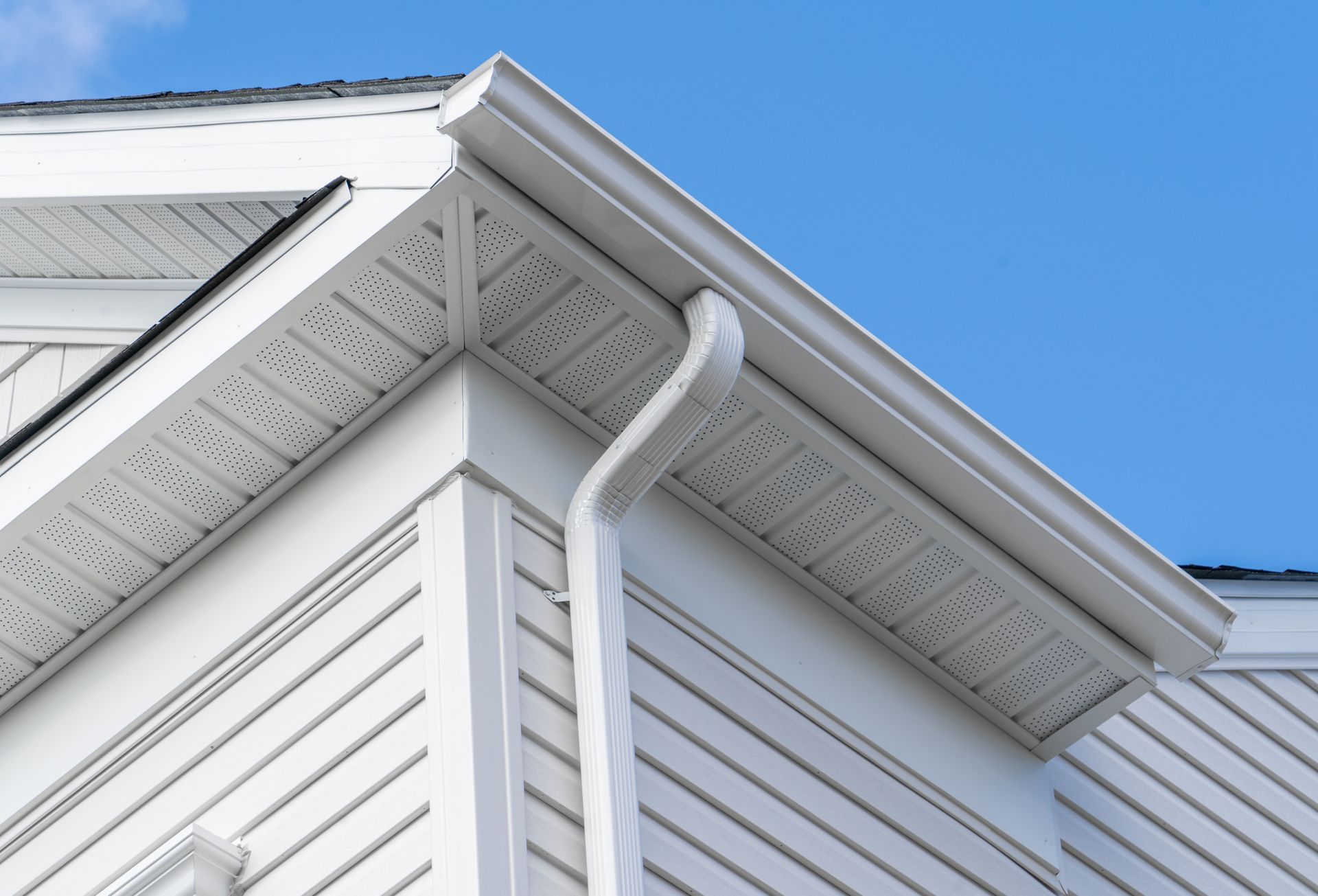
Gutters and downspouts receive attention because winter debris can interfere with proper drainage. Clogged or damaged gutters may cause water to collect along roof edges or overflow near the foundation. Ensuring these systems function properly helps protect the roof and surrounding property from moisture damage.
Checking Spring Ventilation and Insulation
Spring is also an appropriate time to evaluate ventilation and insulation. Winter conditions may reveal areas where moisture has accumulated or heat has escaped through the attic. Professional roofing companies can identify these concerns and recommend appropriate repairs before warmer weather and seasonal storms arrive.
Inspecting Shingles for Summer Heat Damage
Summer temperatures and prolonged sunlight can gradually weaken roofing materials. Asphalt shingles may experience accelerated granule loss, while rubber seals and protective coatings can deteriorate from repeated UV exposure. Metal roofing materials may also expand and contract as temperatures fluctuate.
Evaluating Summer Ventilation Performance
Inspectors examine the roof surface for discoloration, loose materials, and signs of heat-related deterioration. They also evaluate ventilation because excessive attic heat can affect indoor comfort and increase cooling costs. Proper airflow helps regulate temperatures and supports the long-term performance of the roofing system.
Identifying Summer Storm Damage
Summer storms introduce additional concerns, particularly when strong winds and heavy rainfall occur. Loose shingles, damaged flashing, and compromised seals can become entry points for water. Scheduling inspections with roofing companies during the summer can help homeowners identify vulnerabilities before additional storms cause more extensive damage.
Preparing Roofing Systems for Winter
Fall inspections prepare properties for winter weather. Falling leaves, branches, and other debris can collect in gutters and roof valleys, interfering with drainage. Professional evaluations identify these concerns while checking for damaged shingles, deteriorating flashing, and weakened seals.
Assessing Roof Condition Before Cold Weather
Inspectors also examine the roof's overall condition to determine whether it can withstand freezing temperatures and snow accumulation. Particular attention is given to areas that may have developed problems during the summer storm season. Addressing these concerns before winter arrives can reduce the likelihood of unexpected leaks and emergency repairs.
Evaluating Fall Ventilation and Insulation
Ventilation and insulation are important parts of fall evaluations as well. Identifying moisture concerns and inadequate attic insulation can help homeowners prepare for colder temperatures. Experienced roofing companies can provide recommendations based on the roof's condition and the property's specific weather exposure.
Recognizing Visible Roofing Damage
Some roofing problems are difficult to recognize without a professional evaluation. Missing shingles, damaged flashing, sagging areas, and excessive granule loss may indicate that a roof needs attention. Inside the property, water stains, peeling paint, and unexplained moisture can suggest a developing leak.
Identifying Energy Efficiency Concerns
Changes in energy efficiency may also indicate roofing concerns. Damaged insulation or inadequate ventilation can allow conditioned air to escape and create uncomfortable indoor temperatures. A professional inspection can help determine whether roofing components are contributing to these problems.
Evaluating Roofing Age and Material Condition
The age of the roofing system is another important consideration. Older materials may become increasingly vulnerable to weather exposure, even when obvious damage is not present. Regular evaluations from roofing companies help homeowners understand the remaining condition of their roofs and determine when repairs or replacement may be necessary.
Understanding the Value of Inspection Reports
Professional inspection reports give homeowners a clearer understanding of their roof's current condition and any areas requiring attention. These reports typically document visible damage, identify vulnerable components, and outline recommended repairs. Keeping records of previous inspections also makes it easier to track recurring problems, monitor material deterioration, and make informed decisions about future roofing expenses.
Protecting Your Property With Professional Inspections
Seasonal roof inspections provide homeowners with valuable information about the condition of their properties. Identifying problems early can help prevent water damage, protect structural components, and reduce the likelihood of unexpected repair expenses. Consistent evaluations also make it easier to plan maintenance and prepare for changing weather conditions.
Choosing Experienced Roofing Professionals
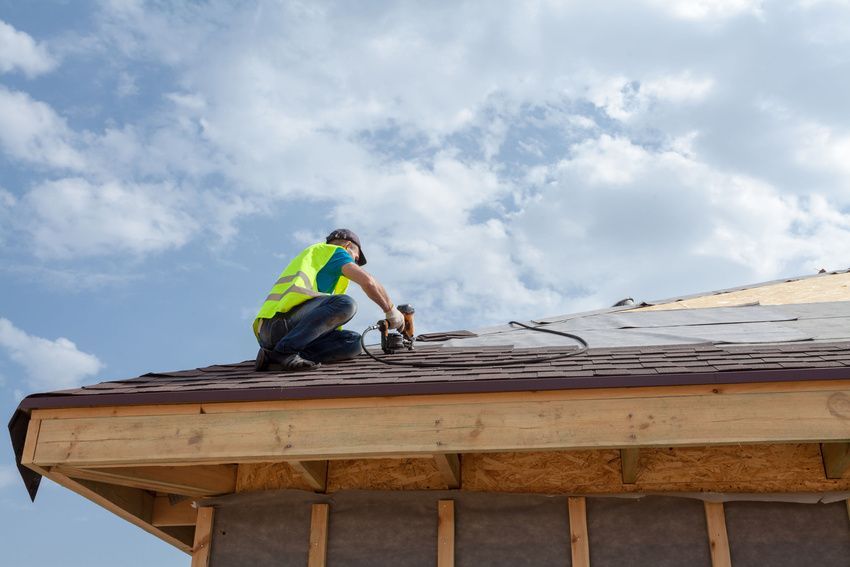
Working with knowledgeable roofing professionals ensures that important components receive attention throughout the year. From evaluating shingles and flashing to checking ventilation and drainage, a comprehensive inspection provides a clearer picture of the roof's overall performance. Choosing dependable roofing companies can make a meaningful difference in maintaining a durable and reliable roofing system.
Raintight Roofing Inc. can help homeowners protect their properties with professional roofing inspections and services. Regular evaluations can identify developing concerns, extend the useful life of roofing materials, and help property owners avoid unexpected complications. Contact Raintight Roofing Inc. to schedule an evaluation, identify potential concerns, and keep your roof prepared for every season.