November 19, 2026
Every homeowner depends on their overhead roof covering to act as the primary shield against punishing seasonal weather conditions. From heavy spring downpours and blistering summer heat waves to freezing winter ice storms, your rooftop bears the brunt of every outdoor climate shift. Even so, many people give little thought to the composition or durability of their shingle layers until water stains appear across ceiling drywall or dripping sounds disrupt a quiet evening. Taking the time to understand the various tiers of materials available gives you the insight needed to make confident, cost-effective decisions before undertaking a major replacement.
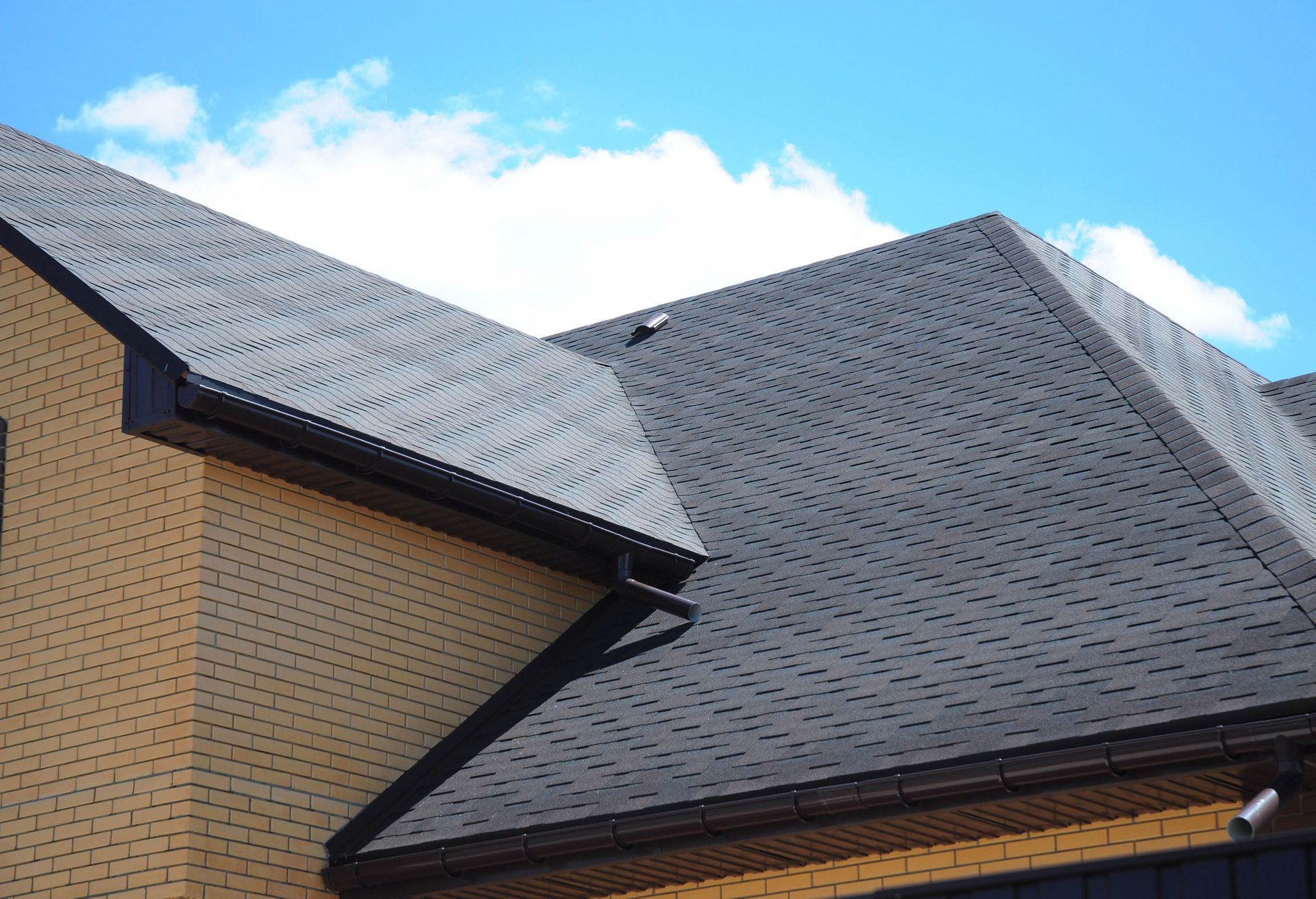
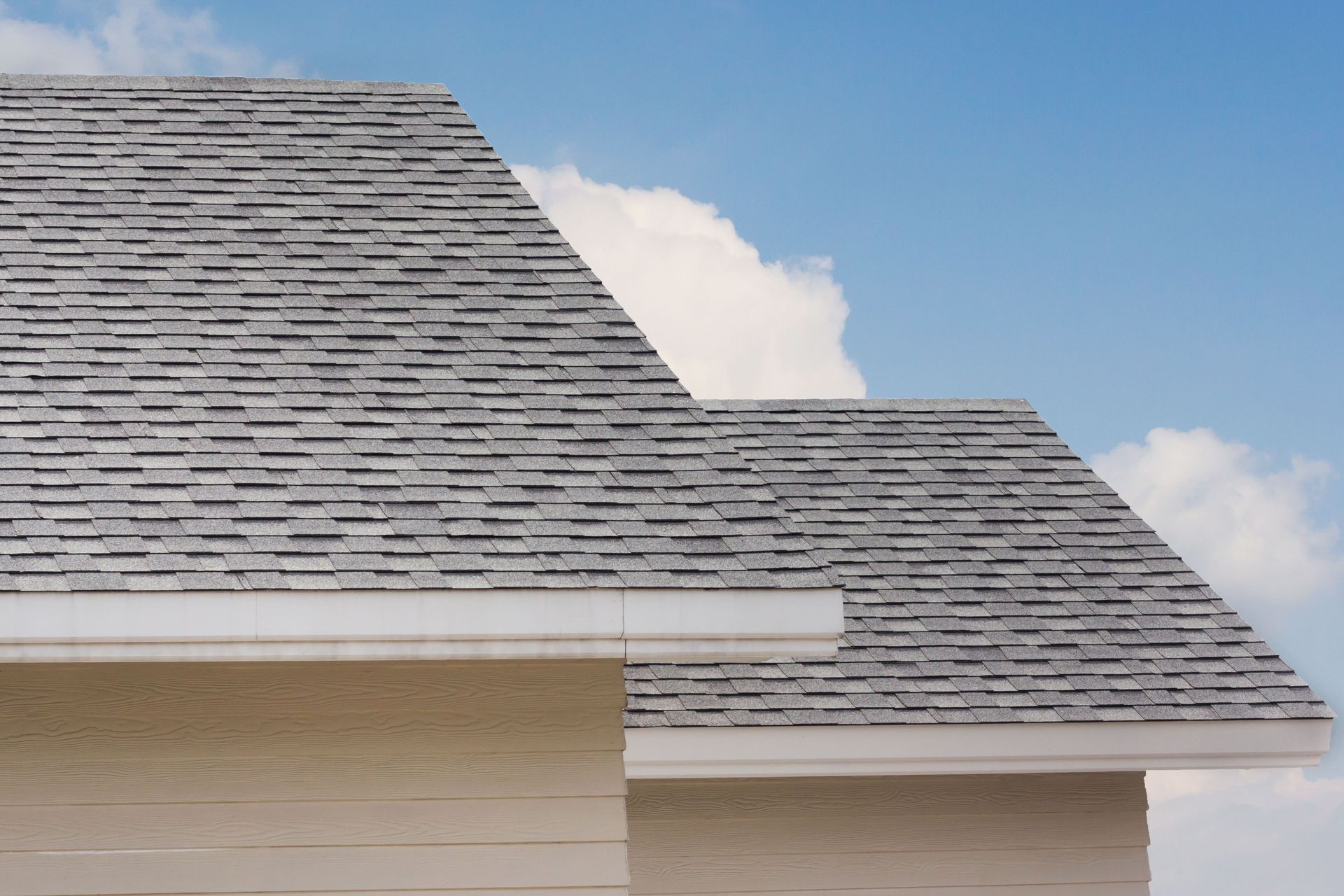
Asphalt roofing products continue to serve as the dominant selection for residential neighborhoods across the nation due to their versatile styling, dependable moisture protection, and approachable price points. However, the performance and physical thickness of shingle bundles can vary dramatically across different market categories. Engaging seasoned roofers ensures that you understand the distinct mechanical qualities separating basic starter products from premium protective lines before finalizing your project budget. Exploring these varied grades guarantees that your residence gains enduring weather defense suited to your climate and long-term financial goals.
Unpacking the Core Anatomy of Modern Roofing
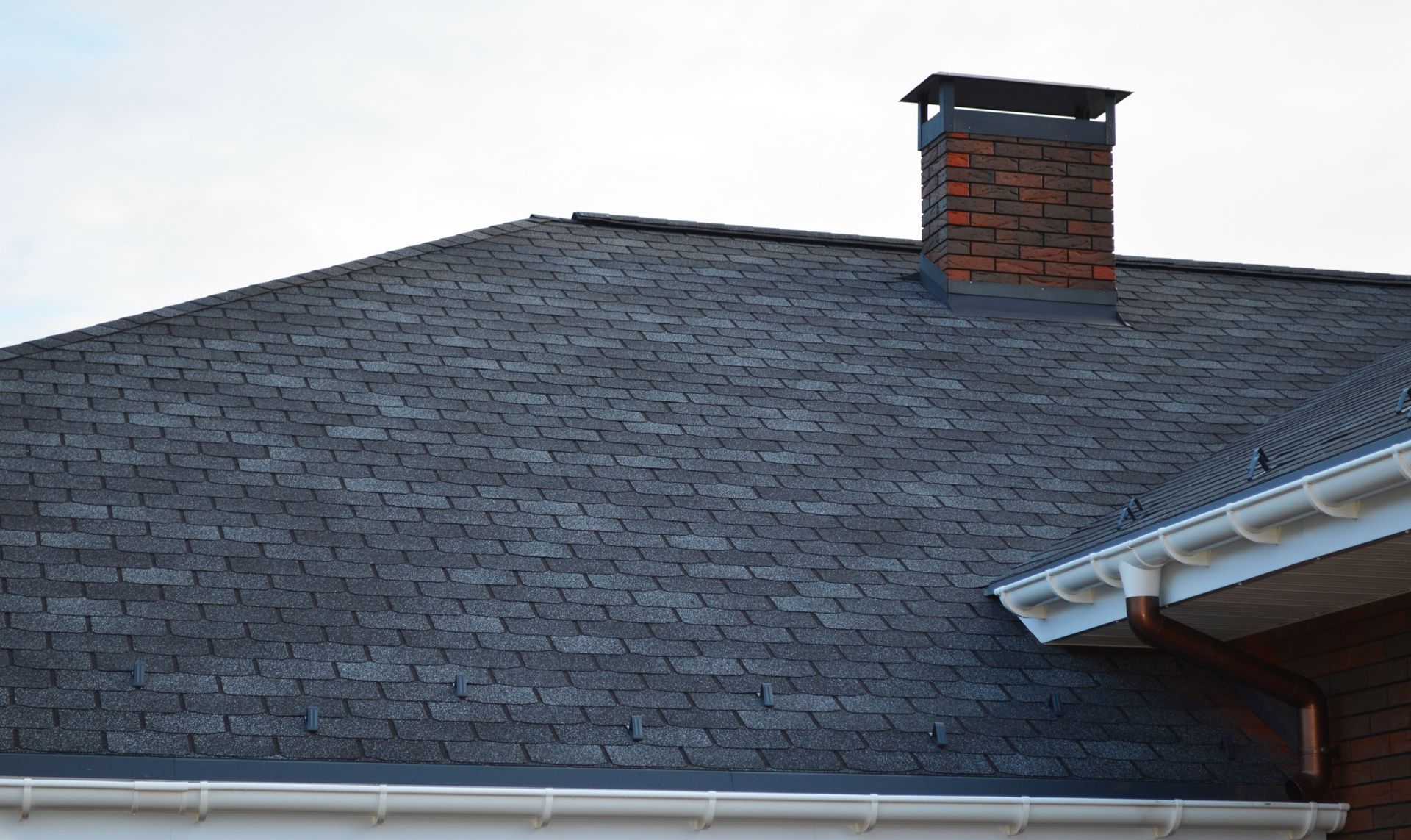
A reliable shingle relies on an intricately engineered layering system created to repel driving moisture while remaining flexible through shifting outdoor temperatures. Production starts with a tough, non-woven base sheet crafted from glass fibers that provide exceptional structural stability, tear resistance, and fire safety. This sturdy base receives saturation on both faces with hot, refined asphalt waterproofing agents that seal out ambient moisture and humidity. Finally, manufacturers press finely crushed ceramic mineral granules across the exterior surface to reflect sun glare and deliver distinct styling tones.
The exterior granule layer serves a much more functional purpose than simply enhancing the visual profile of your residential facade. These dense mineral stones act as sun armor, preventing the underlying petroleum oils from drying out, blistering, and turning brittle under constant heat exposure. According to This Old House, 83% of roofing contractors list steep-slope asphalt shingles as the most common roofing material in the United States. When qualified roofers secure these manufactured layers over clean plywood and water-resistant underlayment, the finished installation channels rainwater effortlessly toward gutters while preserving your underlying rafters.
Examining the Performance of Traditional Flat Strips
Strip-style or three-tab shingles represent the original entry tier in the modern residential roofing landscape. These lightweight panels are manufactured with uniform rectangular cutouts along their lower edge, creating a simple, repetitive horizontal layout across the entire deck surface. Numerous cost-conscious roofers suggest this streamlined option for outbuildings, rental units, or straightforward ranch homes where keeping upfront material expenses to a bare minimum is the chief objective. They deliver basic rain resistance while providing an understated, uniform appearance that matches vintage neighborhood architecture.
Despite their lower purchase price, traditional flat strips utilize a single-ply structure that leaves them thinner and less resilient than heavier modern alternatives. Under normal regional conditions, a basic strip installation typically delivers fifteen to twenty years of practical service before losing surface granules or curling along weathered edges. These thinner pieces also feature lower wind resistance limits, making individual tabs susceptible to tearing away during severe gale-force wind events. If your property is situated in an exposed clearing or frequently faces heavy summer storms, choosing a heavier grade proves far more sensible.
Discovering the Appeal of Designer Shingle Lines
For property owners demanding distinctive curbside luxury and maximum physical strength, designer shingles represent the premier level of residential roofing craftsmanship. These high-end selections are remarkably heavier and thicker than standard multi-layer options, showcasing bold scalloped silhouettes, deep beveled grooves, and rich chromatic palettes. They are specifically crafted to mimic the stately, timeless look of natural quarried slate or authentic cedar shake without demanding complex building retrofits. Installing designer materials creates an upscale aesthetic that distinguishes your property throughout the entire neighborhood.
Beyond their head-turning beauty, luxury designer lines deliver uncompromising structural resilience that stands firm against punishing environmental extremes. Their heavy asphalt layers offer remarkable resistance against windblown debris, heavy snow loads, and torrential mountain cloudbursts. Because these robust units weigh considerably more than entry-level products, experienced roofers inspect your roof trusses and plywood decking beforehand to ensure everything can support the extra load safely. While the upfront investment is higher, luxury lines reward homeowners with decades of reliable weather defense, superior transferable warranties, and enhanced home value.
Assessing Severe Weather and Impact Classifications
Navigating the shingle marketplace requires paying close attention to standardized laboratory test ratings to ensure your overhead protection matches your regional weather risks. The roofing sector measures impact resistance against heavy hail using the Underwriters Laboratories drop test, which classifies products from Class One through Class Four based on structural integrity. Class Four shingles incorporate specialized rubberized polymers that absorb energy and resist cracking when struck by flying hail stones. Seasoned roofers frequently install impact-rated products across storm-prone areas because property insurance providers regularly reward homeowners who install them with significant policy discounts.
Wind performance certifications are equally essential when selecting a reliable material package for your home. Product bundles carry strict laboratory wind designations ranging from basic Class D ratings up to elite Class H ratings designed to resist hurricane gusts. High-performance shingles incorporate wide, reinforced nail zones and heat-activated sealants that weld shingles tightly together under the warmth of natural sunlight. Choosing products certified for high wind velocities ensures that your roof remains securely locked in place through severe microbursts, thunderstorms, and intense windstorms.
Balancing Upfront Investments Against Long-Term Value
Finding the perfect material grade requires carefully weighing your immediate improvement budget against anticipated maintenance expenses over the coming decades. While baseline strip shingles feature the lowest initial invoice cost, their shorter service lifespan means you will face another full tear-off and replacement much sooner. Dimensional shingles require a moderately higher initial expenditure but provide nearly double the dependable service life, making them far more cost-effective per year of ownership. Selecting a higher-grade material protects your household savings by minimizing emergency patching, windblown shingles, and destructive moisture leaks.
Your long-term plans for your property should also play a pivotal role when deciding between economical basic strips and heavier multi-layered lines. If you anticipate listing your property on the real estate market within the next few years, choosing popular dimensional shingles enhances overall curb appeal and boosts buyer interest. Conversely, if you plan to stay in your home indefinitely, investing in impact-resistant designer shingles ensures you may never have to purchase another roof. Reputable roofers supply clear, itemized bids that contrast material durability side by side, making it easy to identify the most sensible financial path for your property.
Partnering with Raintight Roofing Inc for Lasting Quality
Selecting the proper shingle grade turns your home into an energy-efficient, visually captivating sanctuary engineered to endure the harshest regional weather patterns. Whether your property needs practical three-tab shingles, versatile multi-ply dimensional panels, or high-end designer luxury shakes, expert installation practices remain critical to long-term success. Dedicated roofers execute every phase of old shingle removal, decking reinforcement, waterproof underlayment placement, and ridge vent installation with meticulous attention to detail. Making an informed decision among these various grades ensures your residence remains secure, comfortable, and prepared for whatever climate challenges arrive.
When you are ready to enhance your home with durable materials and exceptional field craftsmanship, turn to trusted local specialists who take pride in standing behind their finished results. Contact Raintight Roofing Inc to book your thorough roof assessment, explore genuine material samples, and secure an honest project estimate today. Our knowledgeable team will guide you through the ideal shingle grades for your unique architectural style, local weather hazards, and personal budget goals. Call Raintight Roofing Inc today to achieve dependable weather defense, elevated property value, and enduring peace of mind.